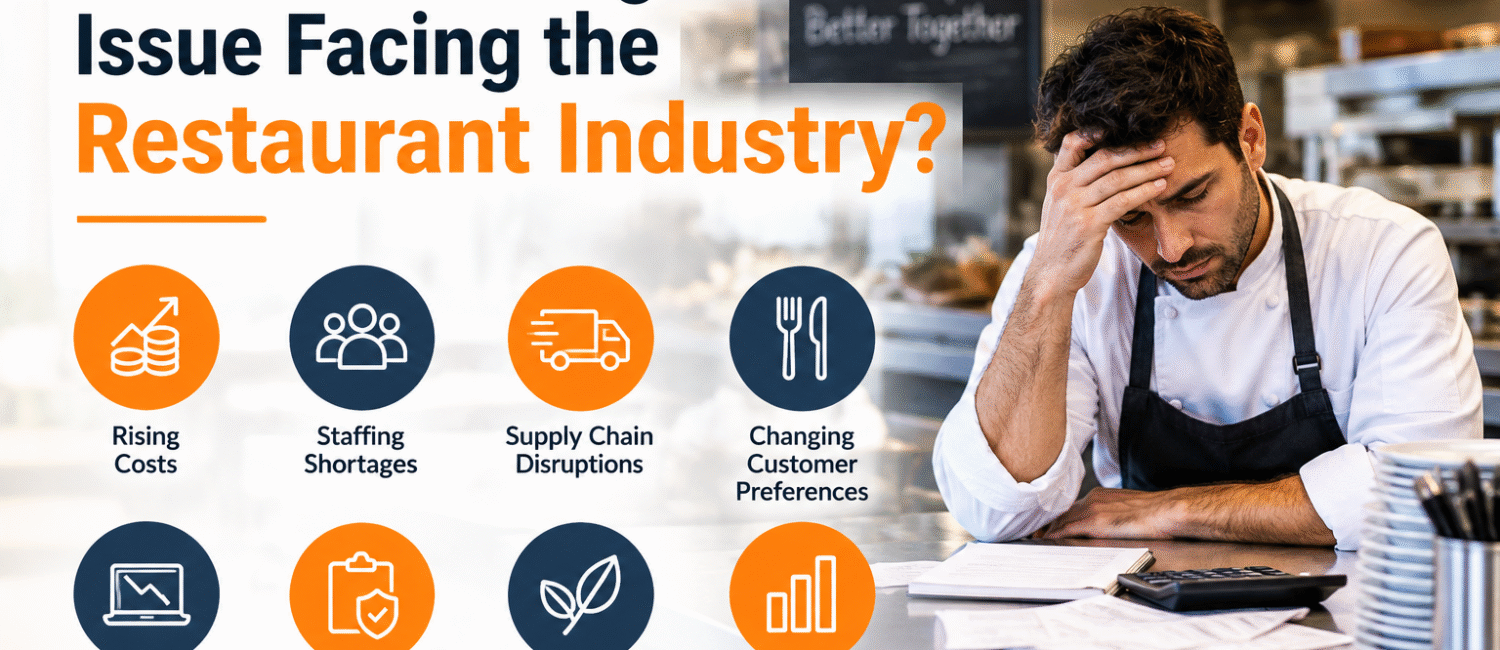
The restaurant industry plays an important role in the global economy by creating jobs, supporting local businesses, and providing people with memorable dining experiences. From small family-owned restaurants to luxury fine dining establishments, every restaurant must manage customer expectations, food quality, service standards, and operating costs. However, one of the largest issues facing the restaurant industry today is rising operating costs combined with the challenge of maintaining profitability.
Restaurant owners must deal with increasing food prices, higher labour expenses, rent, utility bills, and changing customer preferences. At the same time, customers expect affordable prices, high-quality meals, excellent service, and comfortable dining environments. Balancing these expectations has become increasingly difficult for restaurants of all sizes.
1. Rising Food and Operating Costs
Rising costs are among the most significant challenges facing restaurant businesses. Ingredients, cooking oil, meat, dairy products, vegetables, packaging materials, and other essential supplies can become more expensive because of inflation, transportation costs, supply chain disruptions, and seasonal changes.
When ingredient prices increase, restaurants face a difficult decision. They can raise menu prices, reduce their profit margins, or find alternative suppliers. Increasing prices too frequently may discourage customers, while absorbing every additional expense can make a restaurant financially unsustainable.
Restaurant owners can manage these challenges by monitoring ingredient prices, negotiating with suppliers, purchasing seasonal products, and reducing unnecessary waste. Reviewing menu performance can also help businesses identify dishes that generate stronger profit margins without compromising food quality.
2. Labour Shortages and Employee Retention
Finding and retaining skilled employees is another major concern for the restaurant industry. Restaurants depend on chefs, kitchen assistants, servers, cashiers, managers, and cleaning staff to deliver consistent service.
High employee turnover can increase recruitment and training costs while affecting customer satisfaction. When experienced employees leave, remaining staff members may face additional pressure, resulting in slower service, mistakes, and reduced productivity.
Creating a positive workplace can help restaurants retain employees. Fair wages, clear responsibilities, professional training, reasonable schedules, and opportunities for career development can encourage staff members to remain with the business.
Restaurant managers should also establish effective communication between kitchen teams and front-of-house employees. A well-organised team can improve service quality and create a better dining experience.
3. Changing Customer Expectations
Modern customers expect more than good food. They also consider service quality, cleanliness, atmosphere, convenience, menu variety, and overall value when choosing where to eat.
Many diners use online reviews, social media, and search engines to compare restaurants before making a reservation or visiting a location. A few negative experiences can influence a restaurant’s reputation, particularly when complaints about food quality or service remain unanswered.
Restaurants must understand their target audience and consistently deliver on their promises. Some customers prefer affordable family meals, while others look for premium casual dining, luxury restaurants, or fine dining experiences.
Collecting customer feedback, responding professionally to reviews, and regularly evaluating menu offerings can help businesses understand customer needs and build long-term loyalty.
4. Competition in the Restaurant Market
Competition is another significant challenge, especially in areas where customers have numerous dining options. Independent restaurants compete with established restaurant chains, cafés, fast-food outlets, food delivery businesses, and new dining concepts.
To stand out, restaurants need a clear identity and a compelling reason for customers to choose them. This could include distinctive cuisine, signature dishes, excellent hospitality, attractive interiors, or personalised dining experiences.
Restaurants should also invest in effective marketing strategies. Maintaining an updated website, sharing useful content on social media, optimising their Google Business Profile, and encouraging genuine customer reviews can improve online visibility.
Rather than competing solely on price, businesses can focus on food quality, service consistency, and the overall value they offer.
5. Food Waste and Inventory Management
Food waste directly affects profitability and can create unnecessary environmental problems. Poor inventory management, inaccurate demand forecasting, oversized portions, and improper food storage can lead to ingredients expiring before they are used.
Restaurants can reduce waste by tracking inventory, following a first-in, first-out storage system, monitoring portion sizes, and reviewing which menu items sell most frequently.
Demand forecasting can help kitchen teams purchase appropriate quantities of ingredients. Staff training on food storage, preparation, and waste reduction can further improve efficiency.
These practices help restaurants control expenses while supporting more responsible business operations.
6. Technology and Digital Transformation
Technology has changed how restaurants manage orders, payments, reservations, marketing, and customer relationships. Online ordering platforms, digital menus, point-of-sale systems, and restaurant management software can improve efficiency, but implementing and maintaining these systems may require investment and training.
Restaurants that rely on outdated processes may struggle to manage busy service periods, track inventory accurately, or understand their financial performance.
However, adopting technology does not mean replacing the human element of hospitality. The best approach is to use digital tools where they improve convenience and efficiency while preserving personal service.
For example, reservation systems can help manage table availability, while sales reports can reveal popular dishes and identify opportunities to improve profitability.
7. Maintaining Consistent Food Quality and Service
Consistency is essential for building a successful restaurant brand. Customers expect the same food quality, portion sizes, cleanliness, and service standards during every visit.
Maintaining consistency becomes more challenging when restaurants experience staff shortages, supplier changes, or unusually busy periods.
Standardised recipes, clear operating procedures, regular staff training, and routine quality checks can help restaurants maintain reliable standards.
Restaurant managers should also monitor customer feedback and address recurring problems before they damage the business’s reputation.
8. Economic Uncertainty and Customer Spending
Economic uncertainty can influence how frequently people dine out and how much they spend. When household budgets become tighter, customers may choose takeaway meals, affordable restaurants, or home cooking instead of expensive dining experiences.
Premium and fine dining restaurants may face additional pressure to demonstrate that their prices reflect the quality of their ingredients, service, atmosphere, and overall experience.
Restaurants can respond by offering flexible menu options, seasonal promotions, lunch deals, and carefully designed packages without compromising their brand positioning.
Understanding local spending habits and reviewing sales data can help businesses adjust their strategies to changing market conditions.
How Can Restaurants Overcome These Challenges?
Although the restaurant industry faces several difficulties, businesses can improve their resilience through practical planning and consistent management.
Restaurants should regularly review operating expenses, monitor profit margins, build reliable supplier relationships, and reduce unnecessary waste. Investing in employee development can improve service quality and reduce turnover, while customer feedback can reveal areas that need attention.
Digital marketing is also important for attracting new customers. A professional website, accurate business listings, relevant local SEO, and an active online presence can help restaurants reach people searching for dining options in their area.
Most importantly, restaurant owners should make decisions based on reliable business data rather than assumptions. Tracking revenue, food costs, labour expenses, customer satisfaction, and repeat visits can provide a clearer picture of business performance.
Frequently Asked Questions
What is the biggest problem in the restaurant industry?
One of the biggest problems is maintaining profitability while operating costs continue to rise. Restaurants must manage food prices, wages, rent, utilities, and other expenses while meeting customer expectations.
Why do restaurants struggle to make a profit?
Restaurants often operate with tight profit margins and face unpredictable ingredient costs, employee turnover, food waste, rent, and intense competition. Poor financial planning and inefficient operations can make these challenges worse.
How can restaurants attract more customers?
Restaurants can attract customers by offering quality food, excellent service, competitive value, and a memorable dining experience. Local SEO, Google Business Profile optimisation, social media marketing, and positive customer reviews can also improve visibility.
What role does technology play in the restaurant industry?
Technology helps restaurants manage reservations, process orders, track inventory, analyse sales, and improve customer convenience. The right tools can reduce manual work and support better business decisions.
What is the future of the restaurant industry?
The restaurant industry is likely to continue adapting to digital ordering, changing customer preferences, sustainability concerns, and evolving dining experiences. Businesses that balance operational efficiency with food quality and hospitality will be better positioned to respond to these changes.
Conclusion
The restaurant industry faces several interconnected challenges, but rising operating costs and maintaining profitability remain central concerns for many businesses. Labour shortages, changing customer expectations, competition, food waste, and technology requirements add further pressure.
Restaurants can respond by improving cost management, investing in employees, maintaining consistent standards, and building stronger customer relationships. Combining efficient operations with effective marketing and quality hospitality can help restaurant businesses remain competitive and build sustainable growth in an evolving market.