Hospitality is more than simply providing accommodation, food, or customer service. It is about creating positive experiences that make guests feel welcomed, comfortable, valued, and respected. Whether you operate a hotel, restaurant, resort, travel business, or other hospitality-related organization, understanding the fundamental principles of hospitality can help improve customer satisfaction and long-term business success.
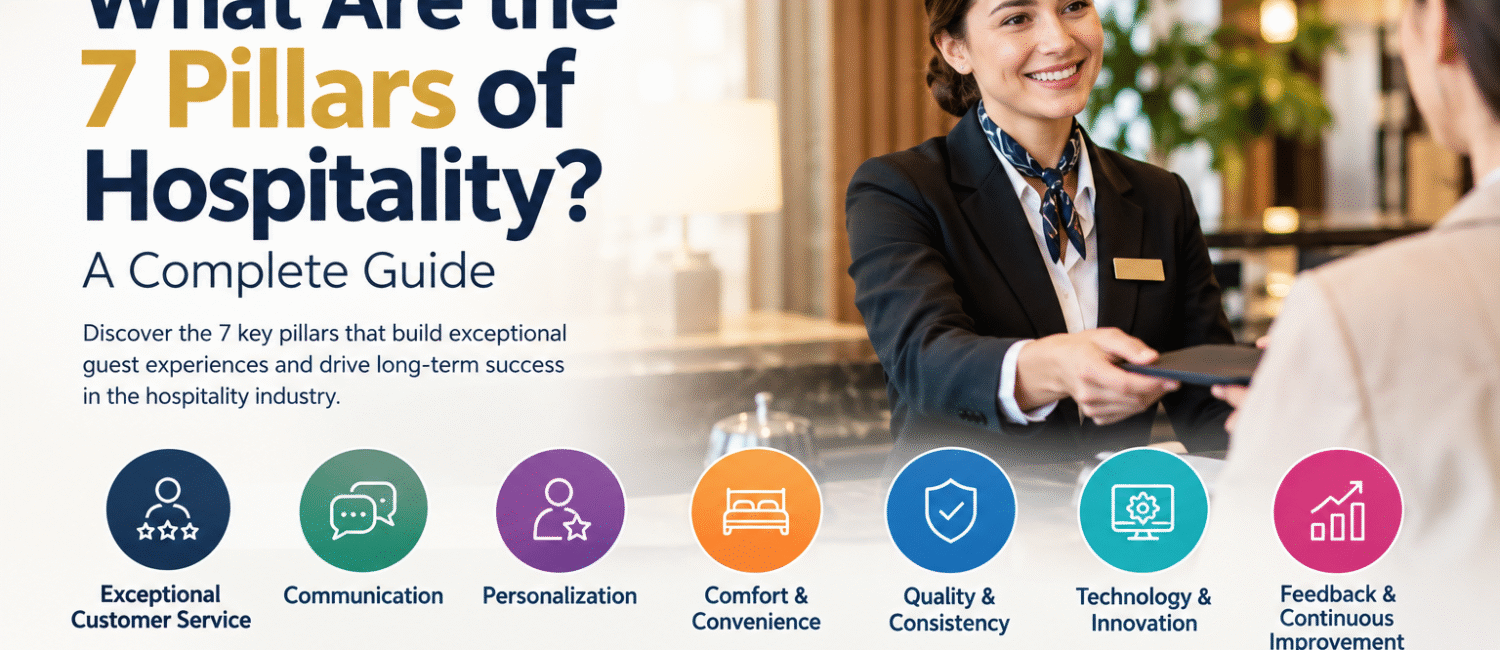
The 7 pillars of hospitality provide a useful framework for understanding what makes a hospitality business successful. These pillars focus on service, communication, guest experience, quality, personalization, technology, and continuous improvement.
For organizations working to strengthen the hospitality industry, including PRU, understanding these principles can help support better standards, stronger customer relationships, and sustainable growth.
What Are the 7 Pillars of Hospitality?
The seven pillars of hospitality are commonly understood as:
- Exceptional Customer Service
- Communication
- Personalization
- Comfort and Convenience
- Quality and Consistency
- Technology and Innovation
- Feedback and Continuous Improvement
Each pillar contributes to creating an experience that encourages guests to return and recommend a business to others.
1. Exceptional Customer Service
Customer service is at the heart of hospitality. Guests expect more than basic assistance; they want to feel welcomed and appreciated throughout their experience.
Excellent customer service includes being friendly, professional, responsive, and attentive to guest needs. Employees should be trained to handle questions, requests, and complaints efficiently while maintaining a positive attitude.
For example, a hotel employee who quickly resolves a guest’s room issue can turn a potentially negative experience into a positive one.
Businesses should focus on:
- Welcoming guests professionally
- Responding quickly to requests
- Solving problems effectively
- Maintaining a positive attitude
- Going beyond basic expectations
Strong customer service can increase guest satisfaction, improve reviews, and encourage repeat business.
2. Effective Communication
Communication is another essential pillar of hospitality. Guests need clear and accurate information before, during, and after their experience.
Good communication involves both verbal and written interactions. Employees should communicate clearly about reservations, services, prices, schedules, policies, and available facilities.
Communication also means listening carefully. Understanding what a guest actually needs allows employees to provide better service.
Hospitality businesses can improve communication by:
- Training employees in professional communication
- Providing clear information online
- Responding quickly to customer inquiries
- Listening carefully to guest concerns
- Using simple and understandable language
Effective communication reduces confusion and helps build trust between guests and hospitality businesses.
3. Personalization
Modern customers increasingly expect experiences that are tailored to their preferences. Personalization means understanding individual guest needs and using that information to provide a more relevant experience.
For example, a hotel might remember a returning guest’s preferred room type. A restaurant could remember a customer’s dietary preferences. A travel company may recommend destinations based on a customer’s previous trips.
Personalization can include:
- Remembering guest preferences
- Offering customized recommendations
- Providing personalized communication
- Recognizing returning customers
- Adapting services to individual needs
When guests feel that a business understands them, they are more likely to develop a stronger connection with the brand.
4. Comfort and Convenience
Comfort is one of the most important elements of hospitality. Guests want their experience to be convenient, relaxing, and stress-free.
Hotels need comfortable rooms and easy check-in processes. Restaurants should provide a pleasant environment and efficient ordering. Travel businesses should make booking and planning as straightforward as possible.
Convenience can be improved through:
- Easy booking systems
- Simple check-in and check-out
- Comfortable facilities
- Accessible customer support
- Clear directions and information
- Convenient payment options
A smooth customer journey can make a significant difference in overall satisfaction.
5. Quality and Consistency
Providing excellent service once is not enough. Hospitality businesses need to maintain quality consistently across every customer interaction.
Consistency means guests should receive a similar standard of service regardless of when they visit or which employee serves them.
Quality can involve:
- Clean and well-maintained facilities
- Professional employees
- Reliable services
- High-quality food and beverages
- Accurate reservations
- Consistent customer support
Businesses can maintain standards through employee training, quality-control processes, regular inspections, and clear operating procedures.
For organizations such as PRU, promoting professional standards and encouraging quality-focused practices can contribute to a stronger hospitality environment.
6. Technology and Innovation
Technology has transformed the hospitality industry. Customers now use websites, mobile applications, online booking platforms, digital payments, and other technologies throughout their customer journey.
Hospitality businesses can use technology to improve both customer experience and operational efficiency.
Examples include:
- Online reservation systems
- Mobile check-in
- Digital payment options
- Customer relationship management systems
- Automated communication
- Online feedback platforms
- Artificial intelligence and data analytics
Technology should not replace human hospitality. Instead, it should make services faster, easier, and more convenient while allowing employees to focus on meaningful guest interactions.
Organizations involved in hospitality development and industry support, including PRU, can recognize technology as an important part of preparing businesses for changing customer expectations.
7. Feedback and Continuous Improvement
The final pillar is continuous improvement. Hospitality businesses cannot rely on the same methods forever because customer expectations and industry trends continue to change.
Guest feedback provides valuable information about what a business is doing well and where improvements are needed.
Businesses can collect feedback through:
- Online reviews
- Customer surveys
- Social media
- Direct conversations
- Feedback forms
- Post-stay emails
However, collecting feedback is only the first step. Businesses should analyze the information and take practical action.
For example, if several guests complain about slow check-in, management can review the process, provide additional employee training, or introduce a digital check-in system.
Why Are the 7 Pillars of Hospitality Important?
The seven pillars provide a practical framework for improving the complete guest experience. When businesses focus on these areas, they can build stronger relationships with customers and improve their overall performance.
The benefits can include:
- Higher customer satisfaction
- Better online reviews
- More repeat customers
- Stronger brand reputation
- Improved employee performance
- Greater operational efficiency
- Increased customer loyalty
These principles are relevant to hotels, restaurants, resorts, travel agencies, event companies, and many other hospitality businesses.
How Can Hospitality Businesses Apply These Pillars?
Implementing the seven pillars requires a customer-focused approach. Businesses should first identify their current strengths and weaknesses.
They can then:
- Train employees regularly.
- Improve customer communication.
- Collect and analyze guest feedback.
- Introduce useful technology.
- Maintain consistent quality standards.
- Personalize customer experiences.
- Regularly review and improve operations.
It is also important to remember that hospitality is ultimately about people. Technology and systems can improve efficiency, but genuine care, professionalism, and human interaction remain essential.
The Future of Hospitality
The hospitality industry continues to evolve as customers become more informed and connected. Guests increasingly expect fast service, personalized experiences, convenient technology, transparent communication, and high-quality experiences.
Businesses that adapt to these expectations will be better positioned to compete in the future. Industry organizations and stakeholders such as PRU can also play an important role in supporting innovation, professional development, and improved hospitality standards.
The future of hospitality will likely combine technology with human-centered service. Businesses that successfully balance both can create memorable experiences while improving operational efficiency.
Conclusion
The 7 pillars of hospitality—exceptional customer service, communication, personalization, comfort and convenience, quality and consistency, technology and innovation, and feedback and continuous improvement—provide a strong foundation for hospitality businesses.
These principles help organizations understand what customers expect and how they can consistently deliver better experiences. Whether you are managing a hotel, restaurant, travel company, or another hospitality business, focusing on these seven areas can help strengthen customer relationships and build long-term success.
As the industry continues to change, businesses and organizations such as PRU can help encourage innovation, professional standards, and customer-focused practices. Ultimately, successful hospitality is about making every guest feel valued, comfortable, and confident in their choice.
FAQs
What are the 7 pillars of hospitality?
The 7 pillars of hospitality are exceptional customer service, effective communication, personalization, comfort and convenience, quality and consistency, technology and innovation, and feedback and continuous improvement.
Why are the 7 pillars of hospitality important?
They help hospitality businesses improve guest satisfaction, service quality, customer loyalty, operational efficiency, and overall business performance.
What is the most important pillar of hospitality?
Exceptional customer service is often considered one of the most important pillars because it directly affects how guests perceive their overall experience.
How does technology improve hospitality?
Technology can simplify bookings, payments, communication, check-in processes, customer support, and personalized services.
How can hospitality businesses improve guest experiences?
Businesses can improve guest experiences by providing consistent service, understanding customer preferences, responding to feedback, improving communication, and using technology effectively.